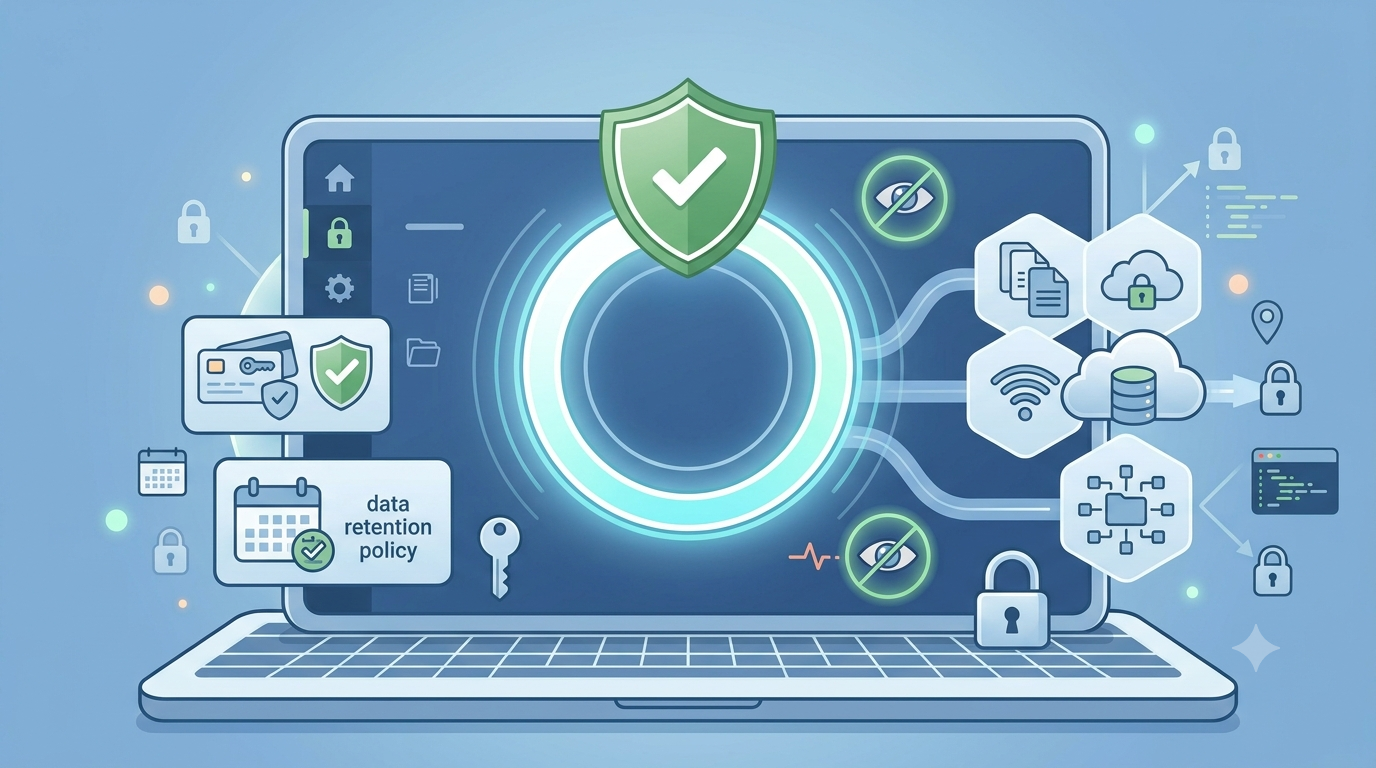
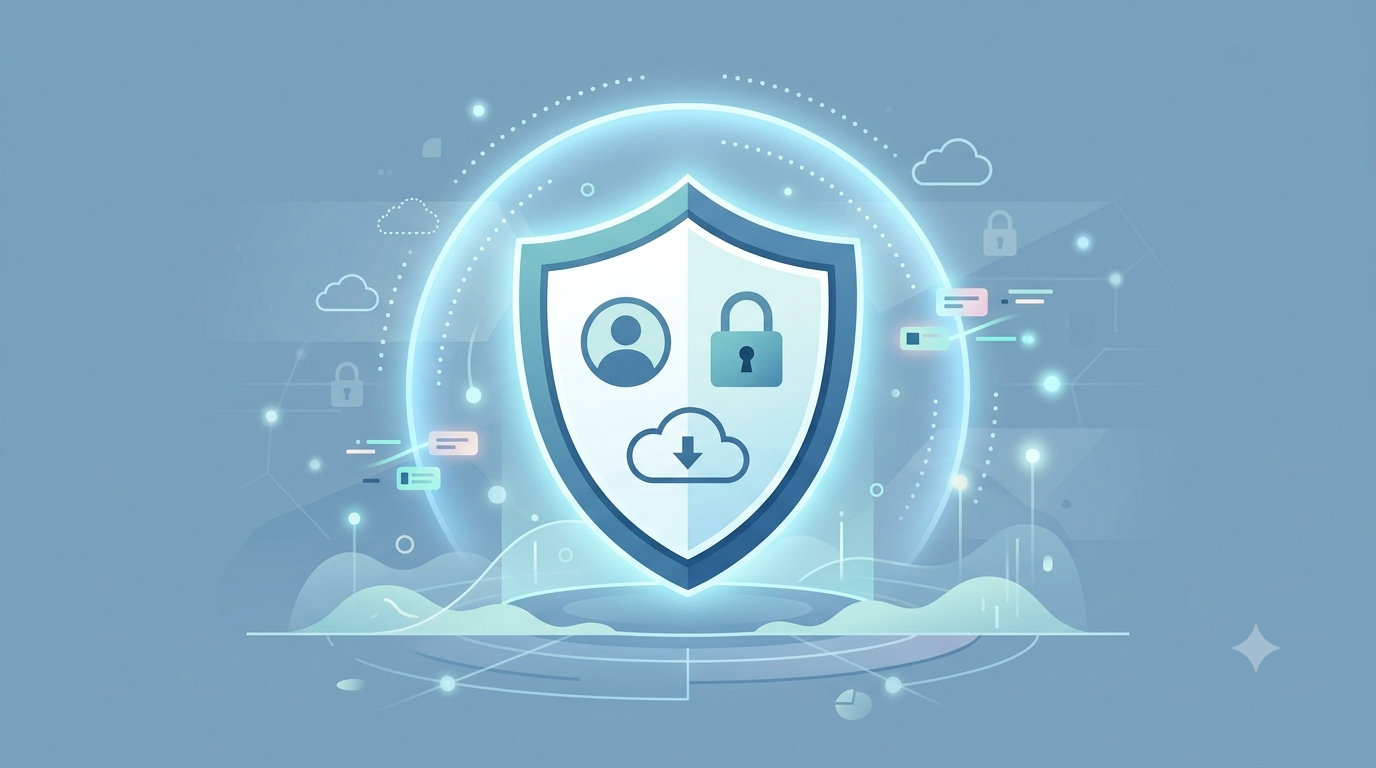
Digital safety refers to the habits and practices used to protect personal information, devices, and online accounts from threats. These threats include hacking, phishing, malware, and identity theft, many of which rely more on tricking users than breaking complex systems. Because of this, awareness and caution are just as important as technical tools. Understanding how your data is collected, shared, and potentially misused is the first step toward building safer online behavior.
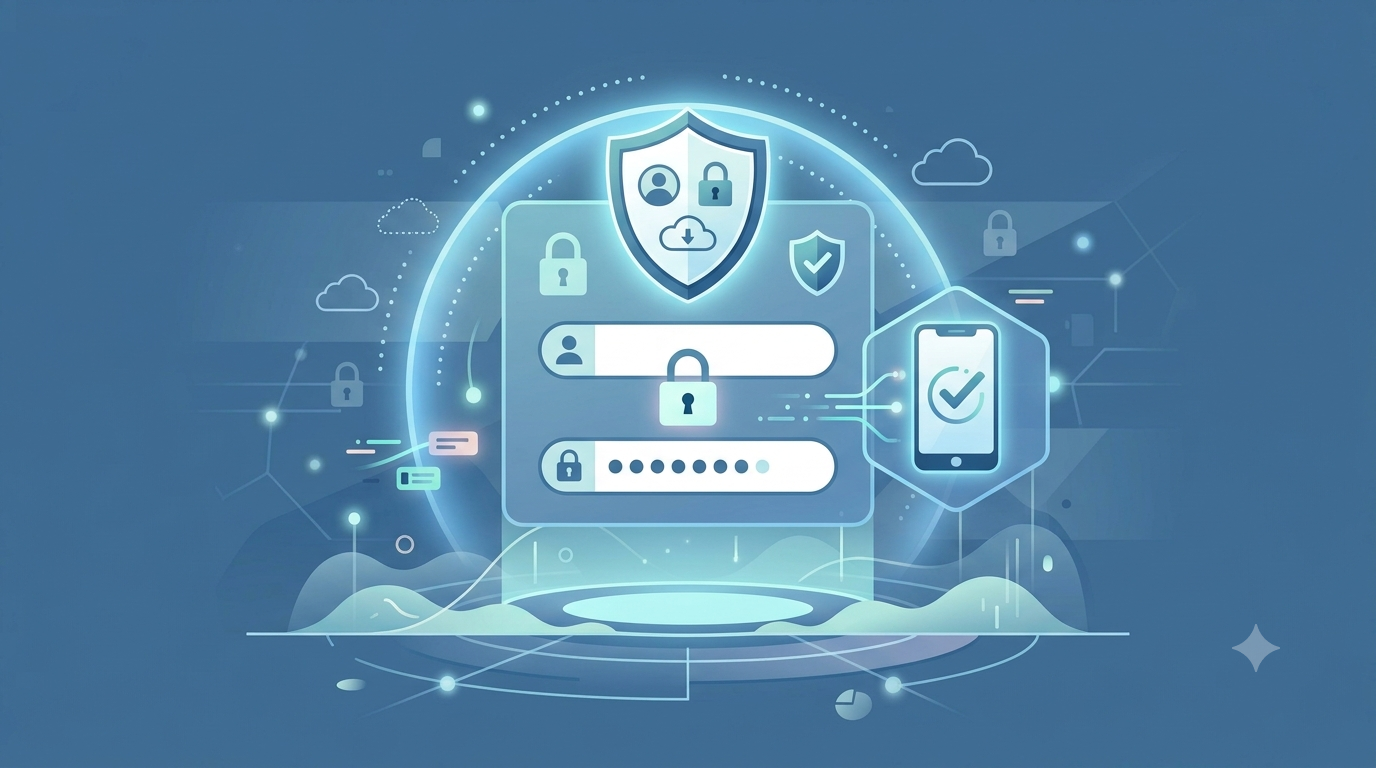
One of the easiest ways for attackers to gain access to accounts is through weak or repeated passwords. A strong password should be long, unique, and difficult to guess, ideally combining letters, numbers, and symbols. Reusing the same password across multiple sites increases risk significantly, as one breach can expose several accounts. Using a password manager can help generate and store secure passwords safely. In addition, enabling two-factor authentication adds an extra security layer by requiring a second verification step, such as a code sent to your phone or email.
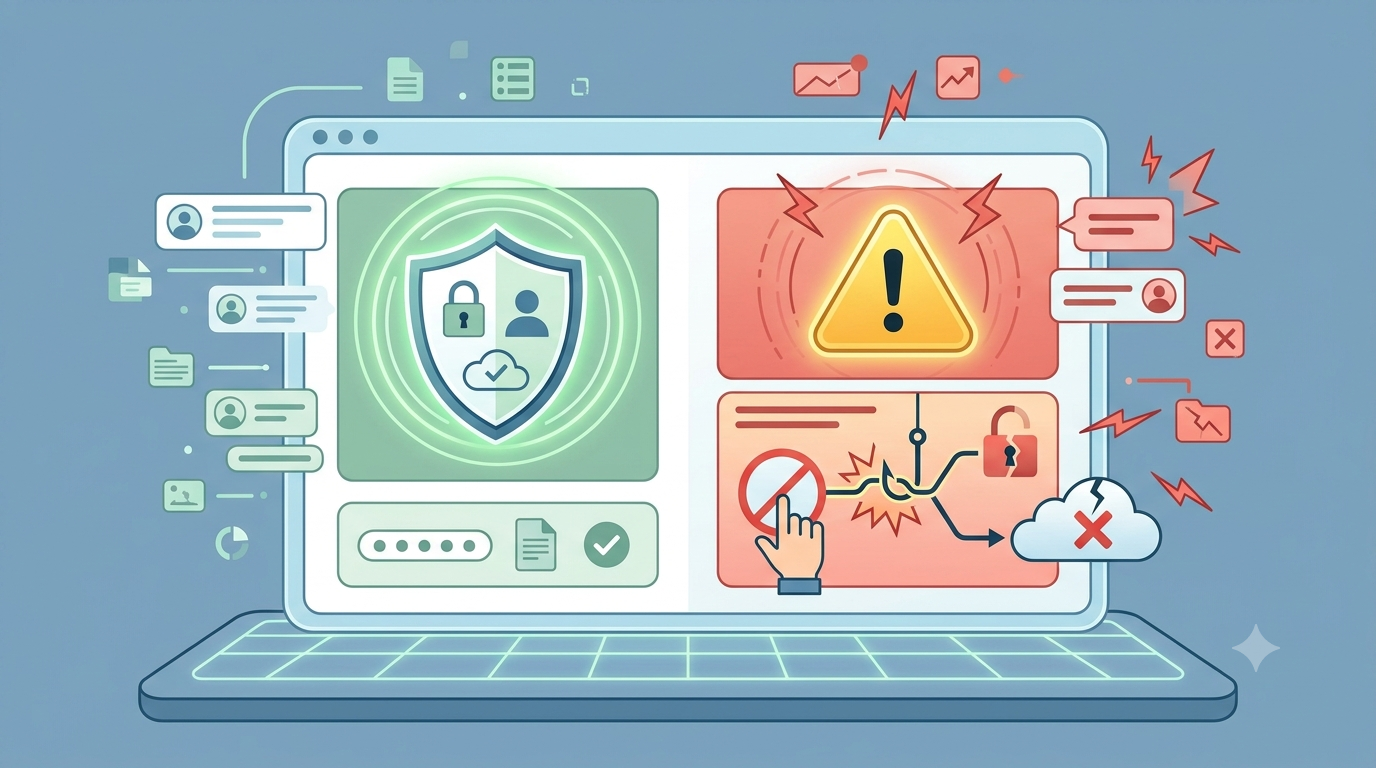
Phishing attacks are designed to trick users into revealing sensitive information by pretending to be trustworthy sources. These can appear as emails from banks, delivery services, or even coworkers, often using urgent language to pressure quick action. Some may include fake login pages that closely resemble real websites. To stay safe, always check the sender’s address, avoid clicking suspicious links, and verify requests through official channels. Developing a habit of questioning unexpected messages can greatly reduce the risk of falling victim to scams.
Safe browsing involves being careful about where you go online and what you interact with. Secure websites typically begin with “https” and display a padlock icon, indicating encrypted communication. Avoid downloading files or software from unknown or untrusted sources, as they may contain malware. Public Wi-Fi networks should be used cautiously, especially when accessing sensitive accounts, since they can be less secure. Logging out of accounts on shared devices and clearing browsing data also helps protect your information from unauthorized access.
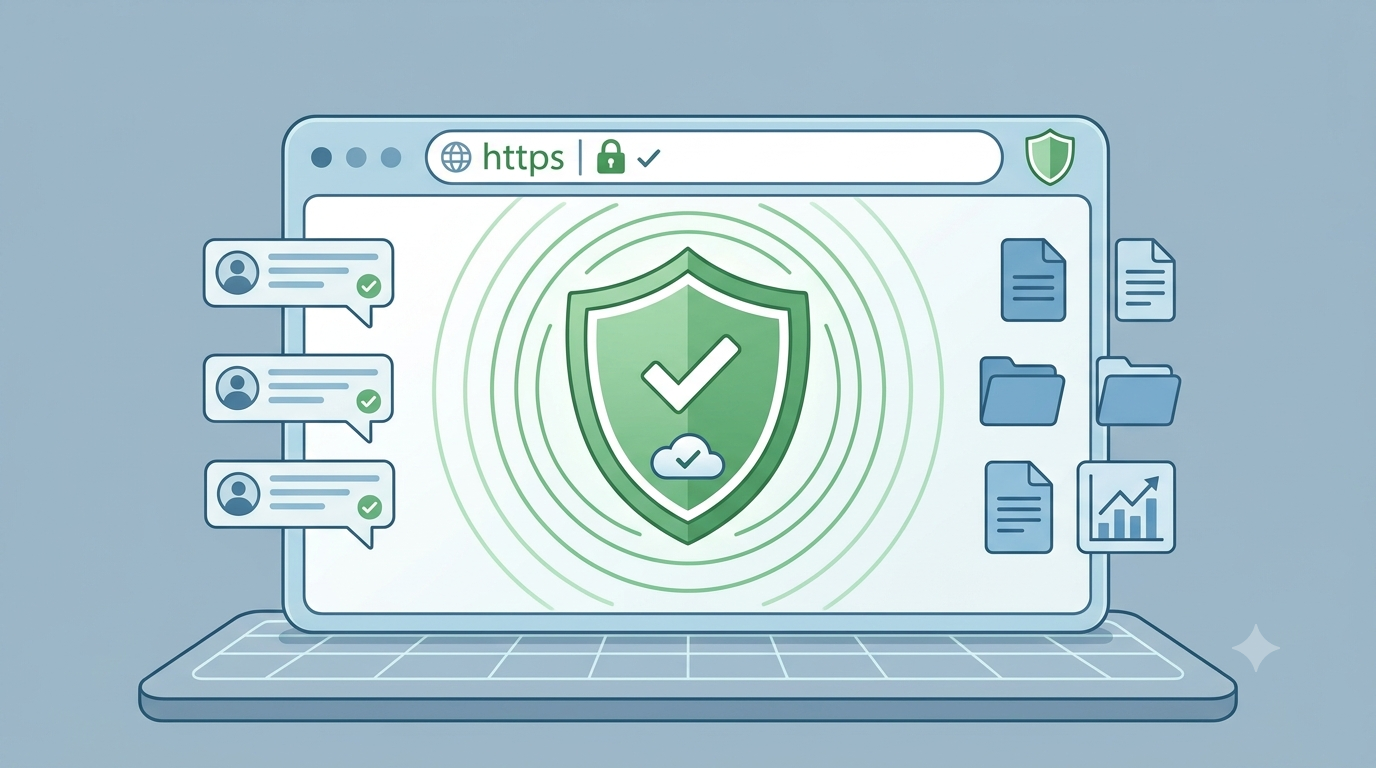
Personal information shared online can be used to track, target, or impersonate you if it falls into the wrong hands. Details such as your full name, address, phone number, or daily routines should be shared carefully and only when necessary. Social media platforms often collect more data than users realize, making privacy settings an important tool for control. Regularly reviewing who can see your posts and limiting public visibility helps reduce exposure. Being mindful of what you share online is a key part of maintaining long-term digital safety.
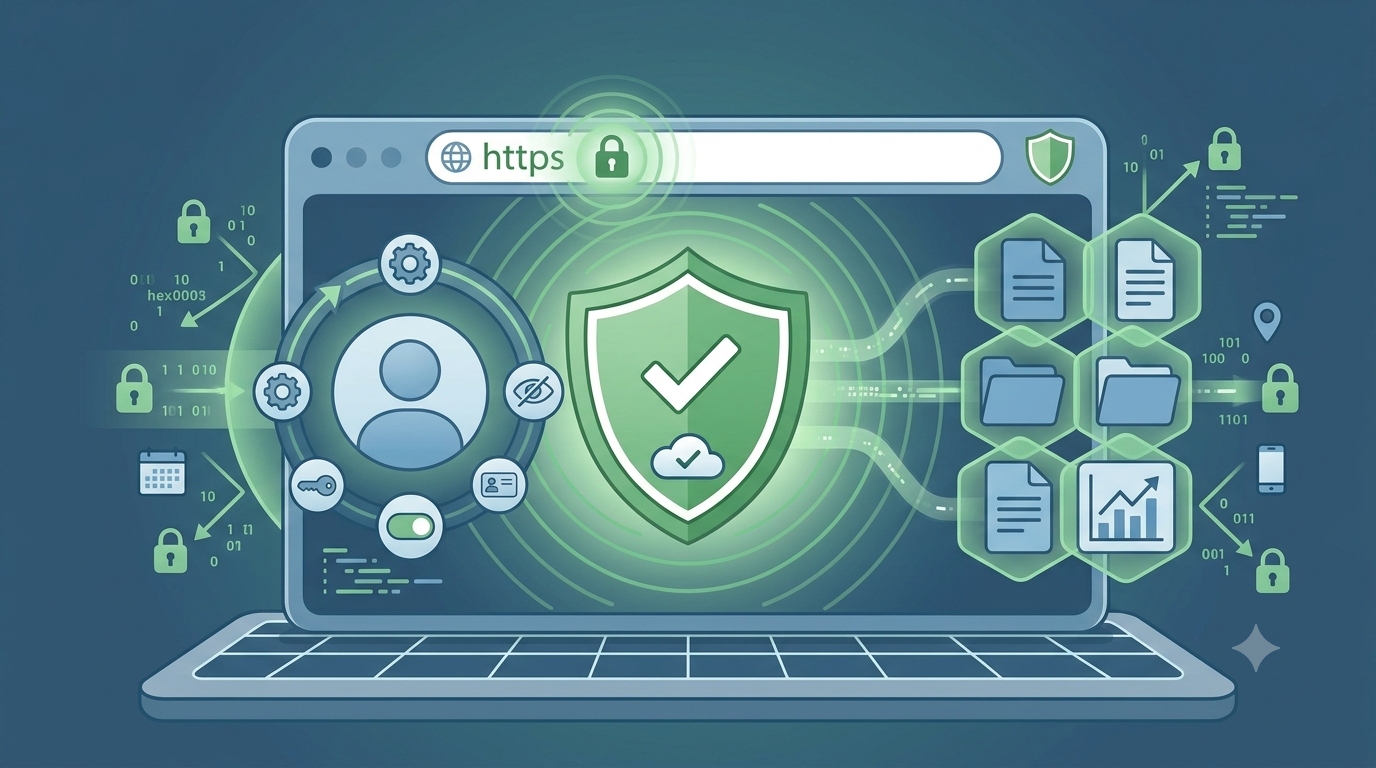
Software updates are essential because they often fix security weaknesses that attackers could exploit. Ignoring updates can leave devices vulnerable even if they were previously secure. Antivirus programs, firewalls, and built-in security features provide additional protection by detecting and blocking threats. While no tool can guarantee complete safety, combining regular updates with reliable security software significantly strengthens your defense. Keeping all devices, apps, and browsers updated ensures you are protected against the latest known risks.
Digital safety depends on consistent awareness and simple protective habits. Small actions, when practiced regularly, can prevent major security issues. Staying informed and cautious helps create a safer online experience for everyone.